
Picture this. You have a trip coming up and have been looking forward to it for months. Then, a few days before you’re supposed to leave, you notice a dull ache in a back tooth.
At first, you brush it off, but the ache doesn’t go away. It gets worse. By the next morning, your jaw feels tender and swollen, and you start to wonder if you can still fly.
We hear this question more often than you might think at our Berwyn office. Patients call Premier Smiles from the airport, from a hotel room, or from their kitchen table the night before a flight, hoping for a simple answer.
The honest truth is flying with a tooth infection is usually not a good idea. But whether it’s safe for you specifically depends on how severe the infection is, whether it’s spreading, and what you’ve done to treat it. Let’s walk through what you actually need to know.
Why Flying Makes a Tooth Infection Worse
First, understand that commercial airplanes are pressurized. But they’re not pressurized to sea level. During a typical flight, the cabin pressure is set to simulate an altitude of about 6,000 to 8,000 feet above sea level. That’s roughly the same as standing on a mountain in Colorado.
At that altitude, gases inside your body expand. For most people, this just means their ears pop or their sinuses feel a little stuffy. But if you have a tooth infection, something else happens.
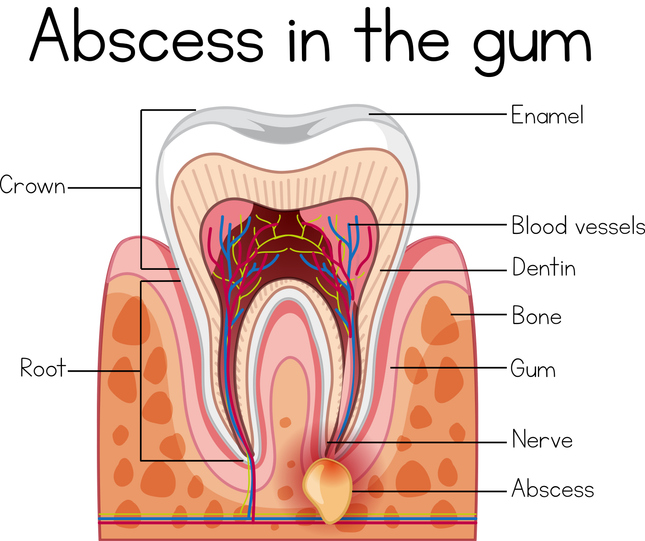
An infected tooth or the tissue around an abscess often contains trapped gas or fluid. As the plane climbs and cabin pressure drops, that gas expands. It pushes against already-swollen tissue, which can cause sudden, severe throbbing pain. Dentists call this condition barodontalgia, or sometimes “tooth squeeze”.
The worst part is the timing. Most people feel the pain during takeoff and landing, when the pressure changes fastest. Some patients describe it as the worst tooth pain they’ve ever experienced. And once you’re in the air, there’s not much you can do about it.
Dr. Arhiri has seen this play out with patients who tried to push through a flight with an unresolved infection. The pain can be bad enough to ruin the entire trip. And in more serious cases, it can signal a much bigger problem.
When Flying Is Actually Dangerous
A tooth infection that’s still contained to the tooth is one thing. An infection that’s spreading into your jaw, face, or neck is another thing entirely.
If you have any of these symptoms, do not board a plane. Go to an emergency room or call our office right away:
- Swelling in your jaw, face, or neck
- A fever above 101 degrees Fahrenheit
- Difficulty swallowing or opening your mouth
- A feeling of tightness or pressure in your throat
- Difficulty breathing
These signs mean the infection has moved beyond the tooth and into surrounding tissue. That’s a medical emergency. Without treatment, a spreading dental infection can become life-threatening within days. It can block your airway or spread to other parts of your body.
We know that sounds scary, but it’s important to understand the difference between a contained infection and a spreading one. A contained infection is painful and needs treatment. A spreading infection is a medical emergency. Flying with the second kind is not just uncomfortable but genuinely unsafe.
What About Antibiotics? Do They Make It Safe to Fly?
This is one of the most common questions we get. Someone starts a course of antibiotics, feels a little better, and thinks they’re safe to travel.
Here’s the problem. Antibiotics can slow down an infection. They can reduce swelling and ease some of the pain, but they don’t drain an abscess. They don’t remove the source of the infection inside the tooth, and they don’t cure the problem.
Antibiotics buy you time. They’re a temporary measure until you can get actual dental treatment. If you take antibiotics and then get on a plane, you’re still flying with an active infection. The pressure changes can still cause severe pain. And the infection can still spread.
We’re not saying antibiotics are useless. They have a real role in dental care, especially when an infection is spreading or when a patient has a weakened immune system. But they are not a substitute for treatment.
The Safest Option: Get Treated Before You Fly
If you have a tooth infection and a flight on the calendar, the best thing you can do is see your dentist in Berwyn before you leave. We know that’s not always convenient. Maybe your flight is in two days, and you’re already packed. But even a quick emergency appointment can make a difference.
Dr. Arhiri can evaluate the tooth, take X-rays if needed, and determine how severe the infection is. In many cases, he can drain the abscess or start root canal treatment. This removes the source of the pressure and reduces the risk of complications during your flight.
If the infection is mild and contained, he might give you a treatment plan that lets you travel safely, with a follow-up appointment when you return. If the infection is more serious, he might advise you to postpone your trip. It’s not what anyone wants to hear before a vacation, but it’s better than ending up in an emergency room in a city where you don’t know anyone.
What to Do If You Can’t Cancel Your Flight
Sometimes, canceling just isn’t possible. If you absolutely have to fly with a tooth infection, here are some steps that can help reduce your risk and discomfort:
- See a dentist first, if possible. Even a same-day appointment can help.
- Take an over-the-counter pain reliever about 30 minutes before boarding. Ibuprofen works well for dental pain. Follow the label directions.
- Chew gum or swallow gently during takeoff and landing. This can help equalize pressure in your ears and sinuses.
- Stay hydrated. Dry cabin air can worsen inflammation.
- Avoid alcohol and caffeine. Both can increase dehydration and sensitivity.
- Let a flight attendant know if your symptoms get severe. They may be able to help and, in rare cases, arrange medical assistance.
These steps are about managing discomfort. They don’t treat the infection. As soon as you land, make a dental appointment. Don’t wait until you get home.
What If You’re Already Traveling and Pain Starts?
It happens. You’re on a trip, far from home, and a tooth starts hurting. Maybe it’s a dull ache that builds over a few days. Maybe it’s a sudden sharp pain that wakes you up at night.
First, call your dentist back home. Dr. Arhiri or your regular dentist may be able to advise you over the phone. They might also have a referral for a trusted colleague in the area where you’re staying.
If you’re in a different city or country, look for a local dental society, a dental school, or a reputable hotel concierge who can point you toward a good provider. In many cases, you can get an emergency appointment the same day.
If you’re having trouble breathing or swallowing, or if you have significant facial swelling and a fever, go to an emergency room. Those symptoms mean the infection is spreading.
Preventing the Problem Before It Starts
The best way to avoid this whole situation is to stay on top of your dental care. A tooth infection doesn’t appear overnight. It usually starts as a small cavity that grows over weeks or months. If you’re keeping up with regular checkups and cleanings, we can catch problems while they’re still small and easy to treat.
If you have a trip coming up, schedule a dental visit a few weeks before you leave. That gives us time to address any issues and gives your mouth time to heal if treatment is needed.
We know life is busy, but a little planning ahead can save you a lot of pain and stress later. If you’re already dealing with a tooth infection, don’t wait. Call our Berwyn dental office at 610-978-6026 or request an appointment online. We’re here to help you find the safest path forward, whether you’re flying next week or just want to feel normal again.
Flying with a tooth infection is usually not safe, especially if the infection is untreated or spreading. Changes in cabin pressure can make the pain dramatically worse. If the infection has spread beyond the tooth, flying can be genuinely dangerous.
The good news is that this is almost always preventable. See a dentist before you fly. Get the infection treated. Give your mouth time to heal. If you can’t do that, take reasonable steps to manage discomfort and see a dentist as soon as you land.
Your trip is supposed to be something you look forward to, not something you spend in pain. A little dental care beforehand can make all the difference.