
All About Periodontal Disease
What is periodontal or gum disease?
Periodontal disease is an inflammation of the gums, which can cause quite a bit of discomfort for the patient due to swelling, bleeding, loose teeth, and foul odor in the mouth.
What are the symptoms of periodontal disease?
Signs and symptoms of periodontal disease can include:
- Red, swollen, puffy gums
- Bleeding while brushing, flossing, or when eating certain foods
- New spacing between teeth
- Loose or separating teeth
- Persistent bad breath
- Pus between your teeth and gums
- Receding gums
What are the causes of periodontal disease?
The causes of periodontal disease can be poor diet, poor oral hygiene, and there can also be a genetic component
Besides the fact that periodontal disease is the main reason for tooth loss, specialists suggest that stroke, bacterial pneumonia, diabetes, or cardiovascular disease can also be caused by periodontal "Gum" Disease. Smoking also increases the risk of periodontal disease..
How can periodontal disease be cured?
Periodontal disease can be cured by visiting a dental professional, who will help you achieve healthy gums. Many medications taken for other conditions can affect the gums, potentially causing periodontal disease. T
he first step is visiting a dental professional for a full evaluation of your gums. This includes an initial debridement or cleaning of your teeth and using local anesthetics to address deeper concerns in the gums, such as deeper pockets. A deep cleaning is performed, and medications are placed to help eliminate the bacteria that cause periodontal disease.
Is teeth cleaning and debridement painful?
Normally, teeth cleaning and periodontal debridements are not painful, but if periodontal disease is in advanced stages, discomfort can occur. This is why local anesthetics are used during these procedures.
Reasons for periodontal treatment
Periodontal disease is a progressive condition that eventually leads to tooth loss among adults. It begins with mild gum inflammation (gingivitis).
The bacteria living in plaque cause an infection in the surrounding tissues of the teeth, causing them to become irritated and painful. Ultimately, the jawbone will recede, and the tooth will become loose due to infection.
Reasons why periodontal treatment may be necessary:
- Moderate/advanced gum disease – when the gums are bleeding or swollen around most teeth.
- Localized gum recession – occurs when one area of the gum line begins to recede, exposing more of the tooth.
- Before crown lengthening – the periodontist may lengthen the crown of the tooth by removing surrounding soft tissue to provide more tooth exposure.
- Ridge augmentation – an oral surgical procedure performed to correct an uneven gum line.
If you have mild/moderate periodontal problems, the periodontist will first treat the underlying bacterial infection. He will also give you recommendations regarding the most appropriate home cleaning methods.
Occasionally, the periodontist will need to do a deep scaling to remove the dental plaque and calculus. If the periodontal disease is advanced, loose teeth that cannot be saved will be removed.
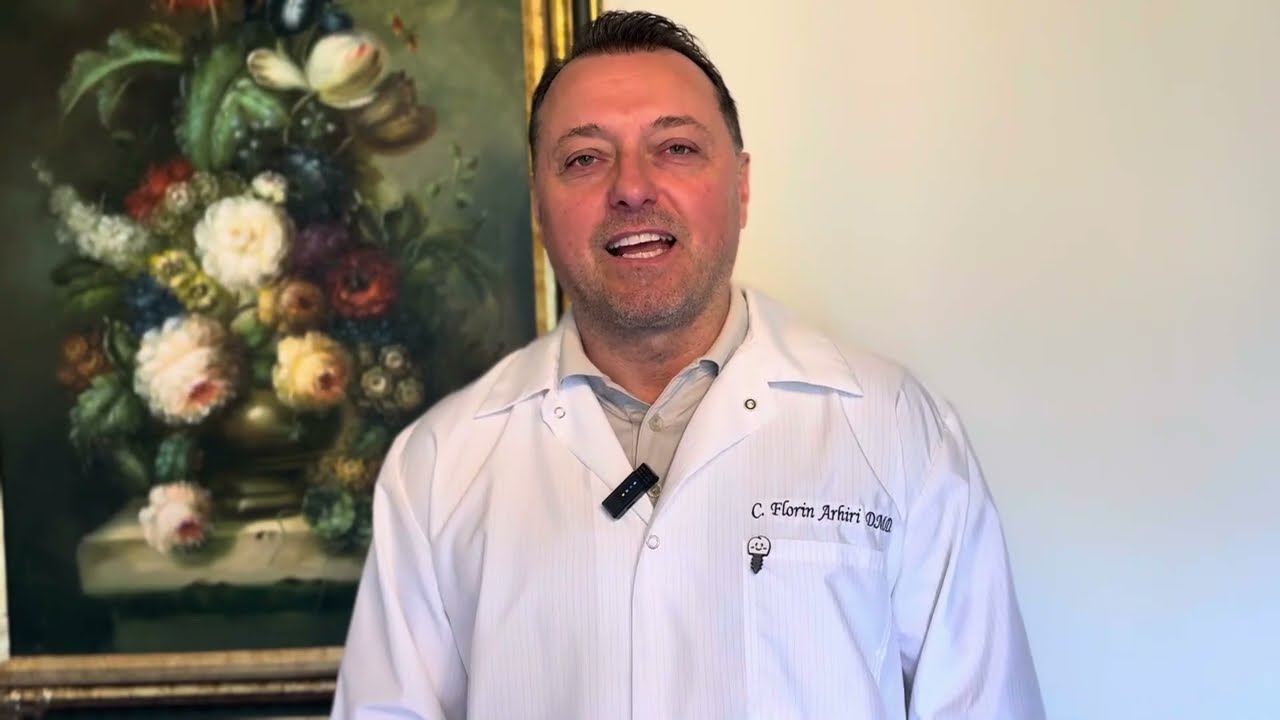
Dr. Florin Arhiri will advise you on effective cleaning methods and treatment options.
When should you see a dental professional if you think you have periodontal disease?
Whenever you notice persistent bleeding in your gums, foul odor in your mouth, discomfort, pain, or swelling, it's recommended to see a dental professional. Ideally, periodontal disease should be treated before any dental work, such as crowns or fillings, is performed.
Periodontics is a dental specialty focused on the prevention, diagnosis, and treatment of periodontal disease that affects the gums and jawbone. The gum tissues surround and support the teeth, and the underlying jawbone maintains the teeth firmly in place.